Handwriting that looks much younger than their age
Letters are large, inconsistent, and labored. Writing a sentence takes enormous effort. The finished product doesn't reflect what they know.

WHO WE HELP · FINE MOTOR DELAYS
Fine motor skills aren't just about handwriting — they're about independence. Kinspire builds a complete picture of your family and gives you strategies that work in real life, from dressing to school work.

WHAT WE SEE
Not on a checklist. Not in a single OT report. In your house, when getting dressed takes forever, handwriting looks years younger than your child, and crafts get quietly avoided.
Letters are large, inconsistent, and labored. Writing a sentence takes enormous effort. The finished product doesn't reflect what they know.
Buttons, zippers, shoelaces, and snaps. Getting dressed independently takes far longer than it should, or requires your help long past when peers are managing on their own.
Using scissors, holding a pencil correctly, managing a fork and knife — your child struggles with the grasp and coordination these tasks require.
Activities that require fine motor precision get quietly avoided. Your child may say "I don't like art" when the real issue is that it's physically hard.
Their hand cramps, they shake out their wrist, they ask to stop. The muscular endurance required for sustained pencil use isn't there yet.
Teeth brushing, hair brushing, washing, and other hygiene tasks that require precise hand movements take extra time and support to do adequately.

“Fine motor skills aren't just about handwriting. They're about independence — and every small gain opens a bigger door.”
THE SCIENCE
Fine motor skills involve the coordinated use of small muscles in the hands and fingers, working together with visual-motor integration and proprioceptive feedback to produce precise movements. These skills develop in a predictable sequence, building on each other from grasping and releasing in infancy through the complex tool use and handwriting required in school.
Fine motor delays can stem from several sources: low muscle tone in the hands (hypotonia), poor proprioceptive processing, delayed development of the shoulder and core stability that underpins fine motor control, visual-motor integration difficulties, or neurological differences affecting motor planning (dyspraxia).
Handwriting is often the most visible expression of fine motor delays in school-age children — but it's far from the only one. Fine motor skills are foundational to daily living: dressing, feeding, hygiene, tool use, and eventually the keyboard and touchscreen tasks of adult digital life.
Occupational therapy targets fine motor development through structured activities that progressively challenge hand strength, coordination, motor planning, and the integration of visual and proprioceptive feedback. Therapy at home, embedded in daily routines, dramatically accelerates progress.
Key research anchors:
When proprioceptive processing is impaired, children grip too hard or too lightly, press too hard with a pencil, or struggle to modulate the force they apply to tools.
Critical for copying from a board, writing within lines, and assembling or manipulating objects — when this pathway is immature, precision tasks feel exhausting.
For some children, keyboarding is a more efficient accommodation while fine motor skills are being developed — this isn't giving up on handwriting, it's maintaining access to written expression while the underlying skill develops.
HOW WE HELP
No two children with fine motor delays are the same. Some need more support with handwriting; others with dressing, tool use, or the fatigue that comes with sustained fine motor effort. We start by understanding yours — then we build from there.
01
We map your child's motor profile — hand strength, grasp patterns, posture, proprioception, and where fine motor demands show up hardest in daily life. Then we go deeper into your home: dressing, homework, self-care, and the moments that matter most.
02
Every strategy and deep dive is specific to your family's Clinical Knowledge Engine — not generic fine motor tips from a checklist. We help you strengthen the foundations and reduce friction in real time.
03
Licensed OTs and neuropsychologists lead sessions designed for fine motor families every week. Walk alongside other parents, hear what's working, and leave feeling less alone — and more equipped.
Led by licensed clinicians. Three types of sessions — support groups for community, educational workshops to learn, and open forum office hours — so you always have somewhere to turn.
Support Group
A space to connect with other parents navigating handwriting, dressing, and school demands that feel harder than they should. Share what's hard, hear what's helping, and walk away feeling less alone. Facilitated by a Kinspire clinician.
Workshop
A practical guide to what fine motor development actually requires — from core and shoulder stability to pencil grasp — and how to embed practice into play and daily routines without battles.
Ask Me Anything
Bring your most pressing question — OT referrals, school accommodations, dressing, writing fatigue, whatever is hardest right now. No appointment needed.

CLINICAL PERSPECTIVE
Lily and Dr. Jill have worked with hundreds of families navigating fine motor delays. Here's what they want you to know.

MS, OTR/L · Co-Founder & Clinical Officer
“Fine motor development is built from the ground up — literally. Core and shoulder stability come before hand stability, which comes before finger dexterity. When I see a child struggling with handwriting, I'm assessing their whole postural system, not just how they hold a pencil. Giving a child a better grip without addressing that foundation is like fixing the roof without checking the walls — it might help for a minute, but it won't hold.”

PhD, ABPP-CN · Co-Founder & Neuropsychologist
“In neuropsychological assessment, fine motor performance is a sensitive indicator of a lot of underlying neurological function — including motor planning, processing speed, and coordination. I routinely include fine motor tasks in comprehensive evaluations because they can reveal patterns that aren't visible in verbal or cognitive testing alone. A child who is bright verbally but has significantly impaired fine motor performance often has a neurological profile that explains both.”
FROM THE KINSPIRE BLOG
Written by our clinical team for parents in the thick of it — not researchers writing for other researchers.

Fine Motor · Understanding
By the time handwriting becomes the concern, a fine motor delay has usually been present for years — quietly affecting dressing, tools, and independence.
Read more →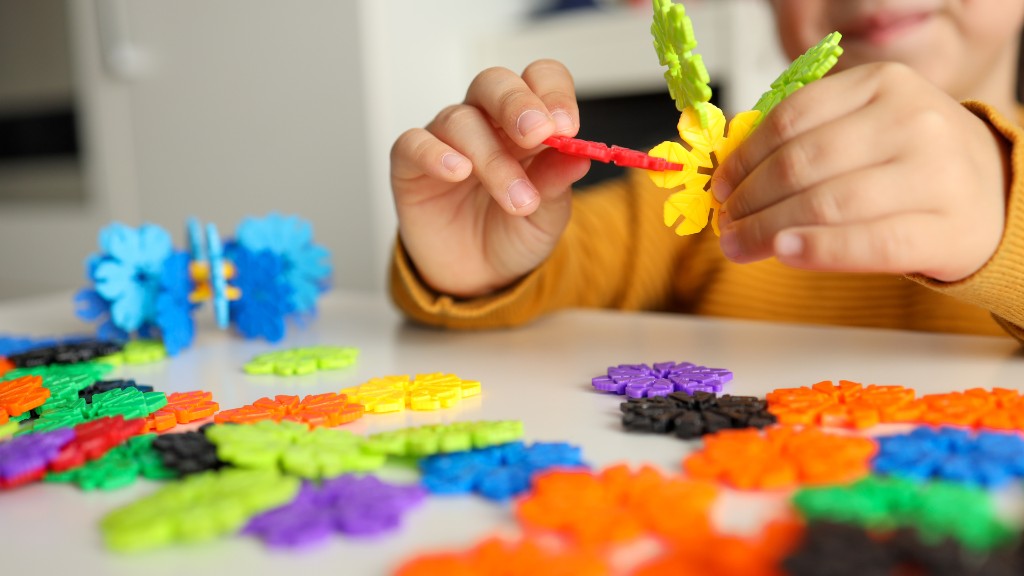
Fine Motor · Therapy
Sessions aren't pencil drills. What OTs evaluate, how play builds skill, how progress is measured, and why home carryover matters most.
Read more →
Fine Motor · At Home
Shoulder strength, grip practice, scissors, and daily routines that build skill — without another clinic kit.
Read more →COMMON QUESTIONS
Answered by clinicians who've worked with hundreds of families navigating fine motor delays.
Immature handwriting in kindergarten is normal. Significant, persistent handwriting difficulties in second grade and beyond — especially when paired with fatigue, avoidance, or significant gaps between verbal ability and written output — are worth evaluating. An OT can assess whether the underlying fine motor and visual-motor skills are developing as expected.
Most children with fine motor delays make meaningful progress with occupational therapy and home practice. The goal is always to build skills that transfer to real life — dressing, writing, self-care — so that the child has increasing independence. For some children, assistive technology or compensatory strategies remain useful even after direct therapy concludes.
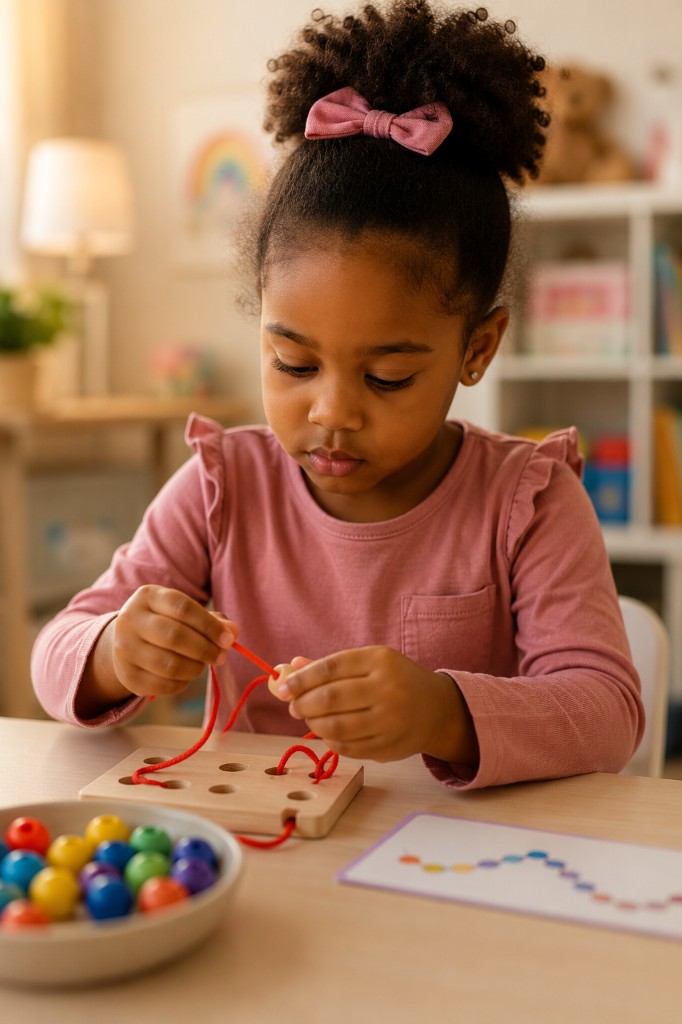
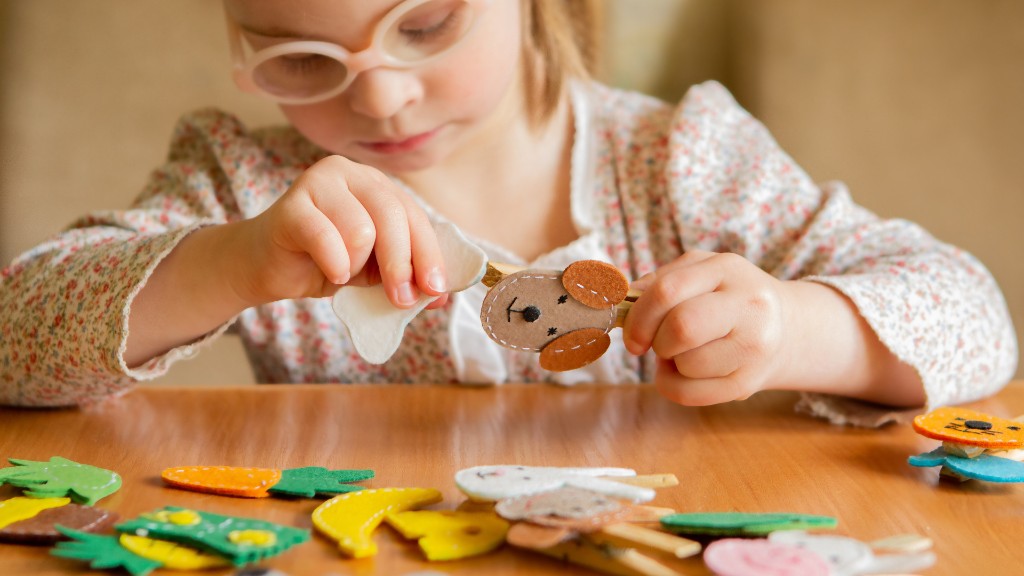
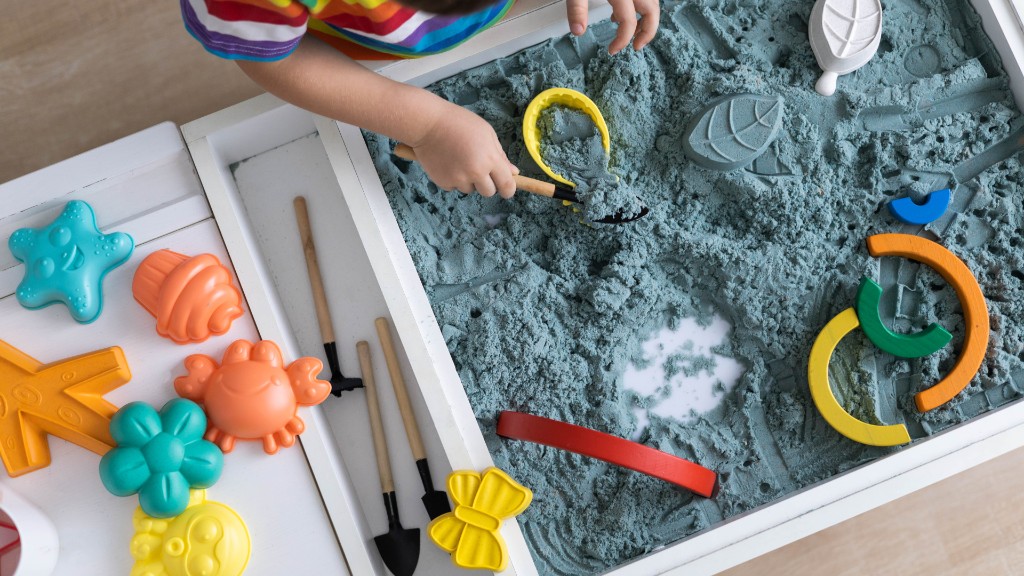
Absolutely. Playdough, Lego, threading beads, puzzles, cutting with scissors, drawing, and construction toys all challenge and build fine motor skills in ways that feel like play. Embedding fine motor practice into daily play — rather than treating it as a clinical exercise — tends to produce better carryover.
Yes. Dyspraxia (also called Developmental Coordination Disorder or DCD) is a neurological condition affecting motor planning — the ability to conceive, sequence, and execute novel motor actions. Fine motor delays are frequently part of the dyspraxia profile, alongside gross motor difficulties. OT is the primary evidence-based intervention for DCD.
FOR YOUR FAMILY
You woke up helping with buttons that classmates already manage alone.
You don't have to end the day the same way.
Start free. No commitment. Built for your child from day one.