Refusal of even enjoyable things
You'd think it would be easy to get a child to do something they love. Not with PDA. The demand to do it — even something fun — triggers refusal. It's baffling until you understand the mechanism.
WHO WE HELP · PATHOLOGICAL DEMAND AVOIDANCE
When even fun things get refused, avoidance is elaborate, and home feels like a battlefield — it's not defiance. Kinspire builds a complete picture of your family and gives you strategies that work in real life, starting with the nervous system.

WHAT WE SEE
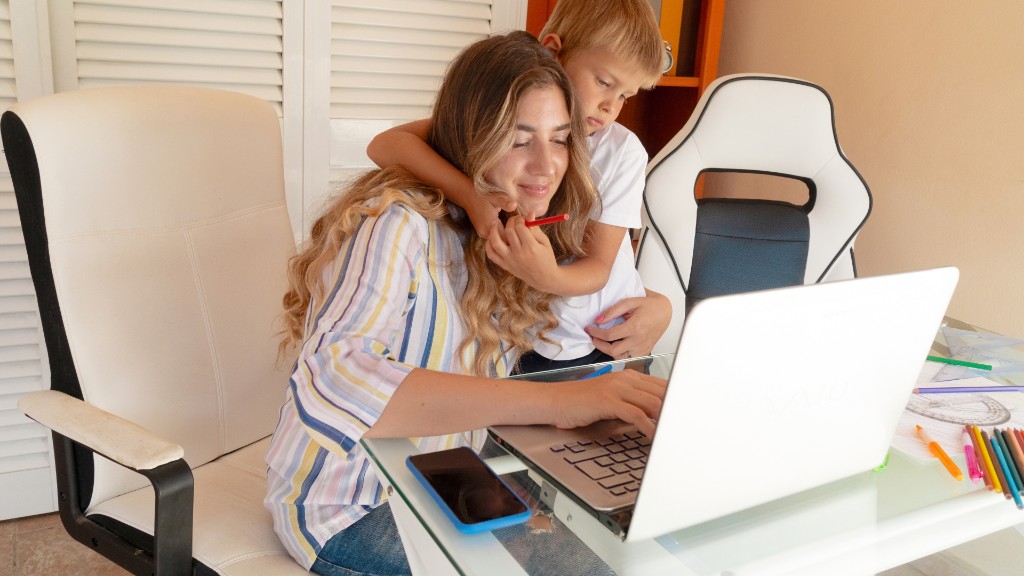
Not in a clinic. Not on a behavior chart. In your house, when the demand to do something they love still triggers refusal — and every workaround feels like a negotiation.
You'd think it would be easy to get a child to do something they love. Not with PDA. The demand to do it — even something fun — triggers refusal. It's baffling until you understand the mechanism.
Your child negotiates, distracts, redirects, creates scenarios, falls ill, has a crisis. The creativity of the avoidance is striking. This is not laziness; it's a nervous system working overtime.
They appear to agree, then simply don't do the thing. Or they do it in a way that technically meets the letter of the request but clearly violates its spirit. Control is paramount.
School may not see what you see. Your child can hold it together in environments where they feel less directly demanded upon — and then fall apart the moment they get home.
Which cup, which spoon, which path to school, which parent puts them to bed. Perceived loss of control over minor things causes disproportionate distress.
Some children with PDA are highly socially aware and skilled at mimicking expected behavior — which is exhausting for them and masks the severity of their daily experience.

“PDA isn't defiance. It's a nervous system in chronic threat mode — and demands, however small, are the trigger.”
THE SCIENCE
Pathological Demand Avoidance is a profile, not a DSM-5 diagnosis, though increasingly recognized within the autism spectrum framework. It describes an extreme, anxiety-driven need for control and avoidance of perceived demands — where standard behavioral approaches, rewards, and consequences tend to backfire or escalate.
The neurological underpinning involves a chronically overactivated threat response. The autonomic nervous system is highly sensitized, with demands (even enjoyable or routine ones) registering as threats that must be escaped. This is not a calculation — it happens below conscious choice.
Children with PDA often have good social understanding and high verbal ability, which makes adults feel they "should" be able to comply. This mismatch creates enormous misunderstanding and shame.
What works: collaborative problem-solving, demand disguising, reducing demands-to-choices ratio, humor and novelty, indirect approaches. What doesn't: increased pressure, compliance-contingent rewards, punitive consequences.
Key research anchors:

Includes implicit demands (others' expectations, rules, even internal drives) — this is why even self-initiated tasks can trigger avoidance.
Supporting the nervous system's baseline sense of safety is the primary intervention goal — when the threat system is calmer, demand tolerance increases.
PDA frequently co-occurs with anxiety, ADHD, and sensory processing differences — understanding the full profile matters for support.
HOW WE HELP
No two children with PDA are the same. Some mask at school and explode at home; others refuse before the demand is even spoken. We start by understanding yours — then we build from there.
01
We map your child's PDA profile — what registers as a demand, where avoidance shows up, and how the nervous system responds. Then we go deeper into your home: transitions, routines, and the moments that tip into crisis.
02
Every strategy and deep dive is specific to your family's Clinical Knowledge Engine — not generic behavior tips from a checklist. We help you reduce perceived demands and support regulation in real time.
03
Licensed OTs and neuropsychologists lead sessions designed for PDA families every week. Walk alongside other parents, hear what's working, and leave feeling less alone — and more equipped.
Led by licensed clinicians. Three types of sessions — support groups for community, educational workshops to learn, and open forum office hours — so you always have somewhere to turn.
Support Group
A space to connect with other parents navigating refusal, masking, and the exhaustion of conventional approaches that backfire. Share what's hard, hear what's helping, and walk away feeling less alone. Facilitated by a Kinspire clinician.
Workshop
A practical guide to demand perception, autonomic regulation, and collaborative approaches — why rewards and consequences escalate, and what works instead.
Ask Me Anything
Bring your most pressing question — school accommodations, masking and after-school meltdowns, demand disguising, whatever is hardest right now. No appointment needed.


CLINICAL PERSPECTIVE
Lily and Dr. Jill have worked with hundreds of families navigating PDA. Here's what they want you to know.

MS, OTR/L · Co-Founder & Clinical Officer
“What looks like a PDA child refusing to comply is almost always an overwhelmed nervous system doing exactly what it's designed to do — protect itself. And once that system is in survival mode, two things happen that most people don't connect: sensory input becomes harder to process, and executive functioning — planning, flexibility, following through — goes offline almost entirely. You can't reason a child into using skills their brain has temporarily taken offline. So we don't start with the behavior. We start with the nervous system. Once that settles, the sensory processing and the executive functioning have room to come back online — and that's when real skill-building can begin.”

PhD, ABPP-CN · Co-Founder & Neuropsychologist
“The parents I see who are struggling most with PDA are often parents who are doing everything right by conventional parenting standards — clear expectations, consistent follow-through, reasonable consequences. And it's making everything worse. That's not a parenting failure; that's a profile mismatch. PDA requires a paradigm shift: the goal isn't compliance. It's building enough relational trust and felt safety that the child can gradually tolerate the normal demands of daily life. It's slower and harder to measure — and it works.”
FROM THE KINSPIRE BLOG
Written by our clinical team for parents in the thick of it — not researchers writing for other researchers.

PDA · Understanding
PDA isn't defiance — it's a nervous system in threat mode. Key features, identification, and why standard parenting approaches backfire.
Read more →
PDA · Understanding
For PDA children, a reward conditioned on compliance is itself a demand. Why behaviorism fails and what actually reduces avoidance.
Read more →
PDA · At Home
Demand audits, indirect language, managing non-negotiables — and why low-demand isn't permissiveness.
Read more →COMMON QUESTIONS
Answered by clinicians who've worked with hundreds of families navigating pathological demand avoidance.
PDA is most often described as a profile within the autism spectrum, though it can appear in children who don't meet full autism criteria. The research base is still developing, but PDA is increasingly recognized by clinicians working with autistic and neurodivergent children.
Standard behavior management operates on the premise that motivation can be shaped through incentives and deterrents. For a child in chronic threat mode, the offer of a reward is itself a demand ("do this to get that"), and the prospect of a consequence adds threat on top of threat. The nervous system escalates rather than complies. Approaches that reduce perceived demands and increase felt safety work better.
Children with PDA often mask — using significant cognitive and emotional effort to appear compliant in structured environments. Home is where they decompensate from a full day of masking. This is actually a sign of how hard they're working, not evidence that school is the "real" environment and home behavior is manipulation.
PDA is not widely known in school systems. The most effective approach is usually documentation from a specialist who can articulate the profile, and focusing on practical accommodations (reduced demands, collaborative problem-solving, flexible transitions) rather than the diagnostic label. The PDA Society has parent-friendly resources that can be shared with schools.
FOR YOUR FAMILY
You woke up negotiating over a cup they used yesterday without issue.
You don't have to end the day the same way.
Start free. No commitment. Built for your child from day one.