Not hitting speech milestones
Your child isn't using the words, word combinations, or sentences typical for their age. Or they were on track and then stopped, or lost words they used to have.
WHO WE HELP · SPEECH & LANGUAGE DELAYS
When words aren't coming — or aren't understood — every day gets harder. Kinspire builds a complete picture of your family and gives you strategies that work in real life, from daily routines to advocacy with SLPs and schools.

WHAT WE SEE
Not on a checklist. Not in a single SLP report. In your house, when strangers need you to translate, meltdowns replace asking, and multi-step directions fall apart.
Your child isn't using the words, word combinations, or sentences typical for their age. Or they were on track and then stopped, or lost words they used to have.
Your family understands most of what your child says, but strangers often don't. New people ask you to translate. Your child gets frustrated when they're not understood.
Instead of asking, they pull, point, melt down, or shut down. The behavior is the communication — it's the only tool they have when words aren't working.
"Get your shoes, put them on, and meet me at the door" — they get the shoes and stop. Not because they're ignoring you; because holding the sequence in verbal working memory is genuinely hard.
Initiating conversation, taking turns, staying on topic, or knowing when to stop talking — these pragmatic language skills don't come naturally.
Language delays often have downstream effects on literacy. The phonological foundation of reading is built on spoken language — when that foundation is shaky, reading development is frequently affected too.

“Language is how children connect to everything — their world, their relationships, their own thoughts. Supporting it early is one of the highest-leverage things you can do.”
THE SCIENCE
Speech and language development encompasses a broad set of skills: articulation (the physical production of speech sounds), receptive language (understanding what's said), expressive language (producing language to communicate), pragmatics (using language socially), and phonological awareness (perceiving and manipulating the sound structure of language).
Delays can occur in any or all of these areas, with different underlying causes and different therapeutic approaches. A speech-language pathologist (SLP) is the primary specialist for assessment and treatment, and evaluation distinguishes between a speech sound disorder, a language disorder, a social communication disorder, or some combination.
Early language development is tightly linked to the quality and quantity of language a child is exposed to — but not all language delays are environmental. Neurological differences, hearing loss, genetic conditions, and developmental disorders all affect language development. The first step is always to rule out hearing impairment, which is one of the most common and most addressable contributors to speech and language delay.
Language delays have significant downstream effects on literacy, social development, and emotional regulation. Children who lack the language tools to express needs, frustrations, and social intentions are more likely to use behavior in their place — which is often how language delays come to clinical attention.
Key research anchors:

Many children understand significantly more than they can express — this receptive vs. expressive gap means they deserve to have language directed to them richly, even before they can respond verbally.
Social communication, turn-taking, reading context, adjusting tone, understanding implied meaning — often the last language domain to develop and can be a lingering difficulty even when basic language catches up.
AAC (augmentative and alternative communication) supports speech development rather than replacing it — the research is unambiguous: AAC does not delay speech.
HOW WE HELP
No two children with speech and language delays are the same. Some need support with articulation; others with understanding, expression, or social use of language. We start by understanding yours — then we build from there.
01
We map your child's communication profile — understanding, expression, speech clarity, pragmatics, and where language demands show up hardest in daily life. Then we go deeper into your home: routines, meltdowns that replace asking, and the moments that matter most.
02
Every strategy and deep dive is specific to your family's Clinical Knowledge Engine — not generic speech tips from a checklist. We help you support language in real time, between SLP sessions.
03
Licensed clinicians lead sessions designed for speech and language families every week. Walk alongside other parents, hear what's working, and leave feeling less alone — and more equipped.
Led by licensed clinicians. Three types of sessions — support groups for community, educational workshops to learn, and open forum office hours — so you always have somewhere to turn.
Support Group
A space to connect with other parents navigating late talkers, unclear speech, and the behavior that shows up when words aren't working. Share what's hard, hear what's helping, and walk away feeling less alone. Facilitated by a Kinspire clinician.
Workshop
A practical guide to supporting receptive and expressive language in daily life — from modeling and expanding to reducing frustration when communication breaks down.
Ask Me Anything
Bring your most pressing question — SLP referrals, AAC, school services, regression, whatever is hardest right now. No appointment needed.



CLINICAL PERSPECTIVE
Lily and Dr. Jill have worked with hundreds of families navigating speech and language delays. Here's what they want you to know.
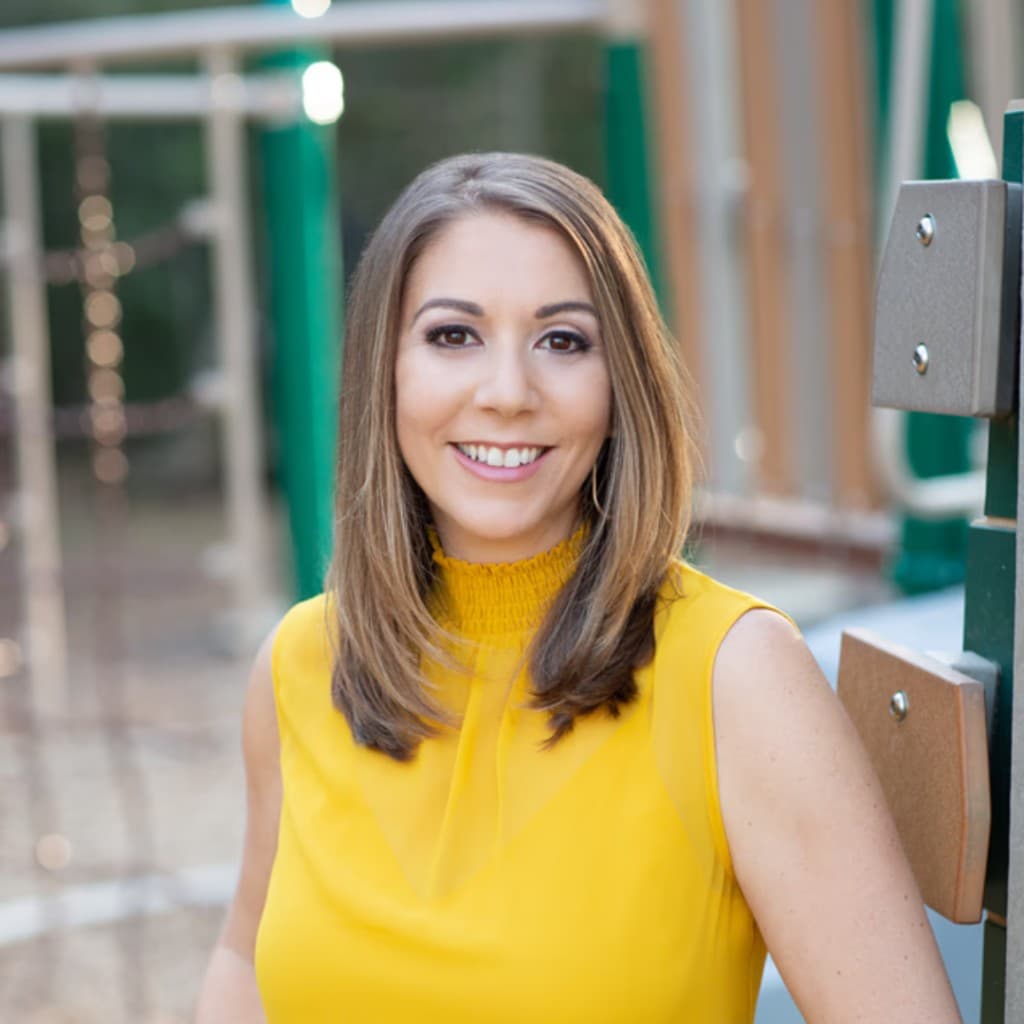
MS, OTR/L · Co-Founder & Clinical Officer
“Language and sensory processing are deeply connected. I often see children referred to me for sensory concerns who have significant language delays underneath — and children referred for speech delays who have sensory processing differences that are making it harder for them to attend to and process spoken language. When a child is sensory-overwhelmed, no language input is getting through. Getting the nervous system to a regulated state is prerequisite to learning language.”
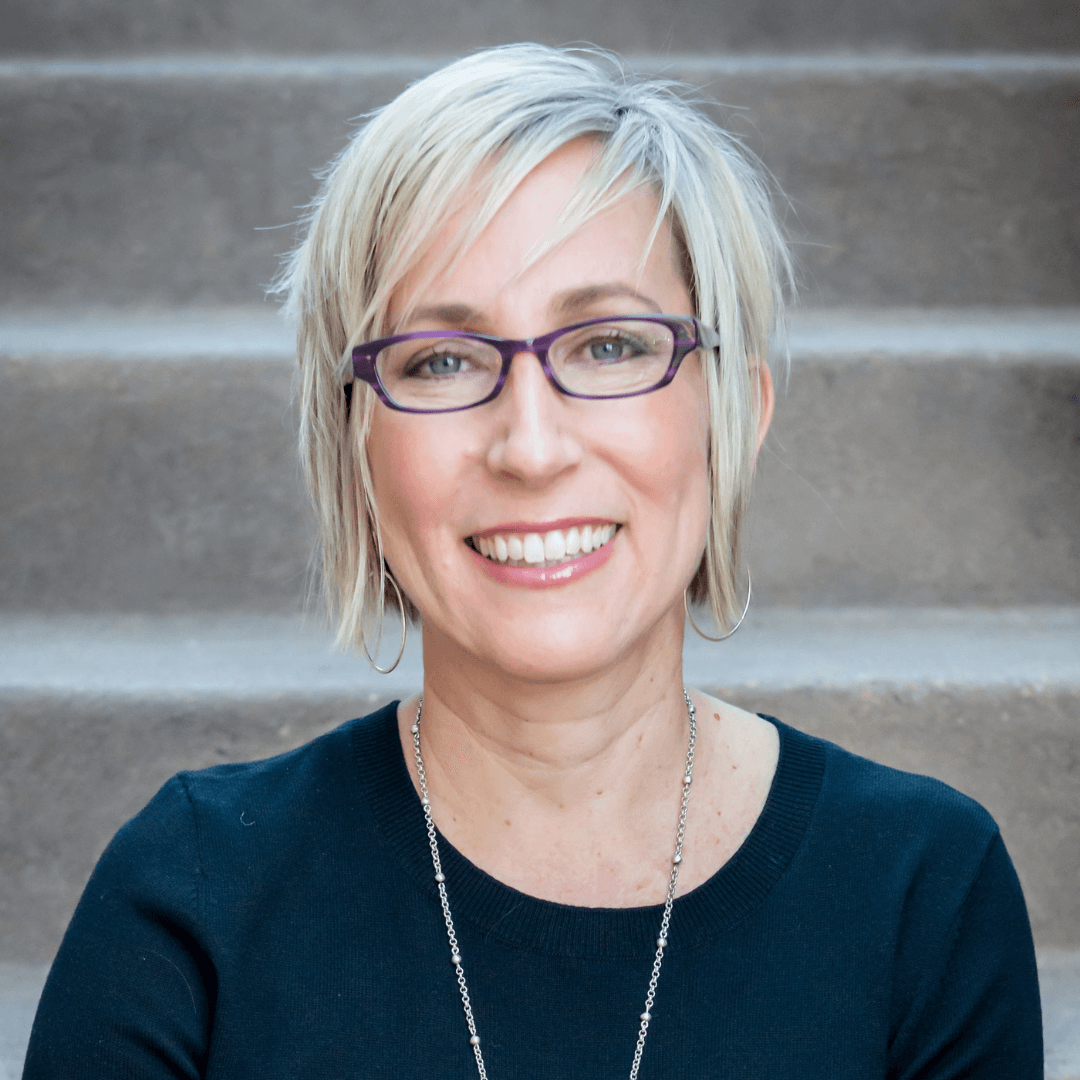
PhD, ABPP-CN · Co-Founder & Neuropsychologist
“In neuropsychological assessment, language is one of the domains I assess most carefully because it underlies so much else — reading, reasoning, memory, social cognition. When I find a language disorder that's been unaddressed into the school years, it often explains years of academic struggle, behavioral challenges, and social difficulties that were attributed to other causes. Language evaluation should be part of every comprehensive developmental assessment, not an afterthought.”
FROM THE KINSPIRE BLOG
Written by our clinical team for parents in the thick of it — not researchers writing for other researchers.

Speech & Language · Understanding
Speech is the how; language is the what. Why the distinction shapes evaluation, support, and prognosis.
Read more →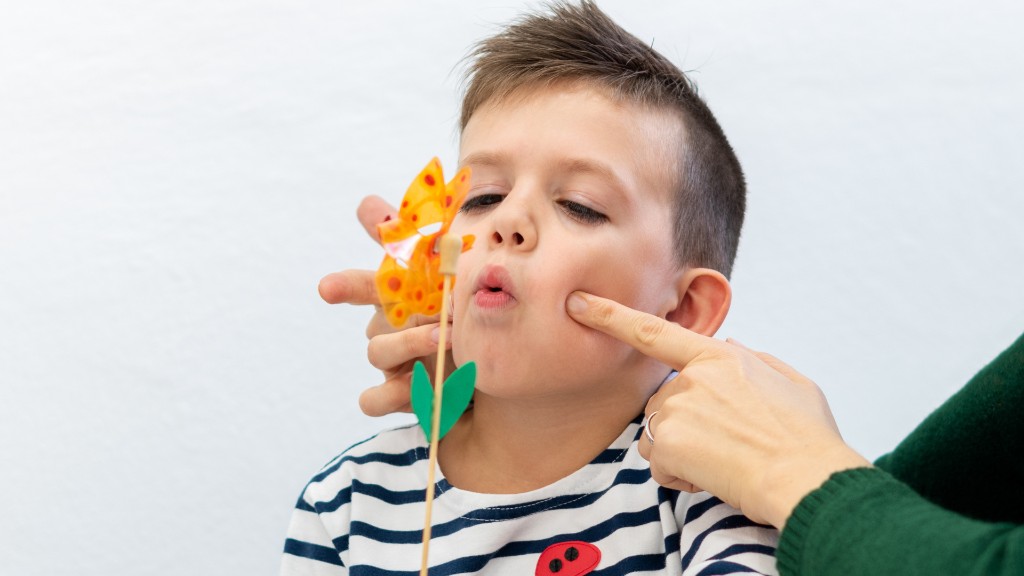
Speech & Language · Understanding
When wait and see is reasonable — and when waiting without information and support is never the right call.
Read more →
Speech & Language · At Home
Responsive interaction, reading, communicative temptations — and how to build language into the day you already have.
Read more →COMMON QUESTIONS
Answered by clinicians who've worked with hundreds of families navigating speech and language delays.
Most children have 10–20 words by 18 months and begin combining words by 24 months. Fewer than 10 words at 18 months, or fewer than 50 words and no word combinations at 24 months, are generally considered indicators for speech-language evaluation. Early intervention services are available from birth — you don't need to wait for a formal diagnosis to access evaluation.
No. Research consistently shows that sign language and AAC support spoken language development — they do not replace or delay it. Giving a child a means to communicate reduces frustration, supports the language learning process, and builds the connection between meaning and communication that eventually transfers to speech.
Regression — losing skills that were present — is different from a plateau and warrants prompt clinical attention. While temporary dips during periods of rapid growth in other areas can occur, regression of speech or language should be evaluated. It can be a signal of medical, neurological, or developmental changes that need to be identified.
Frequency depends on severity, age, and goals. Weekly or twice-weekly therapy is common. What matters as much as session frequency is carryover: the strategies parents use at home in daily routines. SLPs who involve parents as partners in therapy — teaching you what to do between sessions — produce better outcomes than those who work only with the child in a closed room.
FOR YOUR FAMILY
You woke up translating words strangers couldn't understand.
You don't have to end the day the same way.
Start free. No commitment. Built for your child from day one.