
How to Build Gross Motor Skills Through Everyday Play

Lily Baiser
MS, OTR/L · Chief Clinical Officer, Kinspire · Licensed pediatric occupational therapist and Kinspire co-founder · Full bio →
· 7 min read
Here's something parents often don't realize: the most powerful gross motor intervention available for young children isn't a therapy clinic. It's your backyard. It's the park down the street. It's the living room floor with the furniture pushed back. Gross motor development happens through movement — through the accumulated thousands of repetitions that come from active, physical play every day. The question isn't whether play is therapeutic. It's how to make the play you're already doing as developmental as possible.
A child who plays actively every day is doing gross motor therapy. The key is making sure there are enough opportunities for the right kinds of challenge.
Why Active Play Is the Core of Gross Motor Development
Children learn to walk by taking thousands of steps and falling hundreds of times. They learn to balance by nearly falling and catching themselves. Each repetition lays down neural pathways, builds muscle memory, and strengthens the body. There is no shortcut to this process — but there is a very effective way to maximize it: making sure your child's day contains rich, varied, physically challenging play.
For children with gross motor delays, this means being intentional about providing the right kinds of physical opportunities — not by running drills or formal practice, but by creating environments and activities that naturally produce the movement patterns that build the skills your child needs.
Building the Foundation: Core Strength and Body Awareness
Most gross motor development is built on a foundation of core strength and body awareness. Activities that build this foundation are not fancy:
Foundation builders
- →Floor play and tummy time: For infants and young toddlers, time on the floor — especially on the tummy — builds neck, shoulder, and core strength. Even after walking begins, floor-level play is valuable.
- →Rough-and-tumble play: Wrestling, rolling, being swung, piggyback rides, being turned upside down (safely) — these provide powerful proprioceptive and vestibular input that builds body awareness and spatial confidence.
- →Animal walks: Bear crawl, crab walk, frog jumps, snake slithering, bunny hops. These build core strength, bilateral coordination, motor planning, and body awareness all at once — and they're genuinely fun.
- →Wheelbarrow walking: One parent holds the child's ankles while the child walks on their hands. Builds shoulder and core strength in a way hard to replicate with other activities. Start with just a few feet.
Specific Activities for Common Gross Motor Goals
Balance and Equilibrium
Balance practice
- →Stepping stones: Place pillows, books, or foam squares on the floor and have your child navigate from one to the next. Vary the spacing and height.
- →Balance beam: A 2×4 piece of lumber on the floor (not elevated) is a classic and effective tool. Walk forward, backward, sideways. Carry a stuffed animal. Look at the ceiling while walking.
- →One-foot standing: Count how many seconds, try to beat the record. Practice near a wall. Add challenge by closing one eye or reaching for an object.
- →Trampolines: Even a small indoor trampoline is excellent for vestibular input and dynamic balance. Jumping is one of the most commonly delayed gross motor skills, and trampoline practice is highly effective.
The "Tripping and Falling" Question
Some falling and tripping is normal, especially in toddlers. Falling that is excessive, that doesn't improve over time, or that results in injury should be discussed with a pediatrician. The cause matters for the solution.
Jumping and Hopping
Jumping practice
- →Jump off a step: Hold your child's hands and practice jumping off the bottom step. The landing teaches the body how to absorb force safely.
- →Jump to a target: Put a piece of tape on the floor and practice jumping to land on it.
- →Hopscotch: Excellent for hopping, balance, and movement planning.
- →Trampoline play: The rebound makes the "up" part of jumping easier, helping children experience the sensation before they can fully generate it independently.
Ball Skills
Ball practice
- →Start big: Use a large, slow-moving ball before a small one. Balloons are excellent — they move slowly, are visually easy to track, and don't hurt when they hit.
- →Catching: Start by catching with arms extended and the body acting as a "basket." Progress to two-handed catching, then one-handed. Reduce the distance progressively.
- →Throwing: Start with large, light balls. Encourage an overhand throw by having your child throw at a target.
- →Kicking: Kick a stationary ball before progressing to a rolling one. Aim for a target to increase engagement.
Running and Coordination
Running and coordination practice
- →Obstacle courses: One of the highest-value gross motor activities you can set up at home. Cushions to crawl over, chairs to duck under, a balance line to walk, a target to throw at — a simple course addresses coordination, motor planning, balance, and endurance all at once. Change it regularly.
- →Tag and chase games: Running with a purpose is far more motivating than running for its own sake. The sudden starts, stops, and direction changes in chase games are excellent for coordination and agility.
- →Tricycle and bike: Start with a balance bike (no pedals) before a pedal bike. Tricycles build the bilateral lower extremity coordination that prepares for pedaling.
The Role of Outdoor and Playground Play
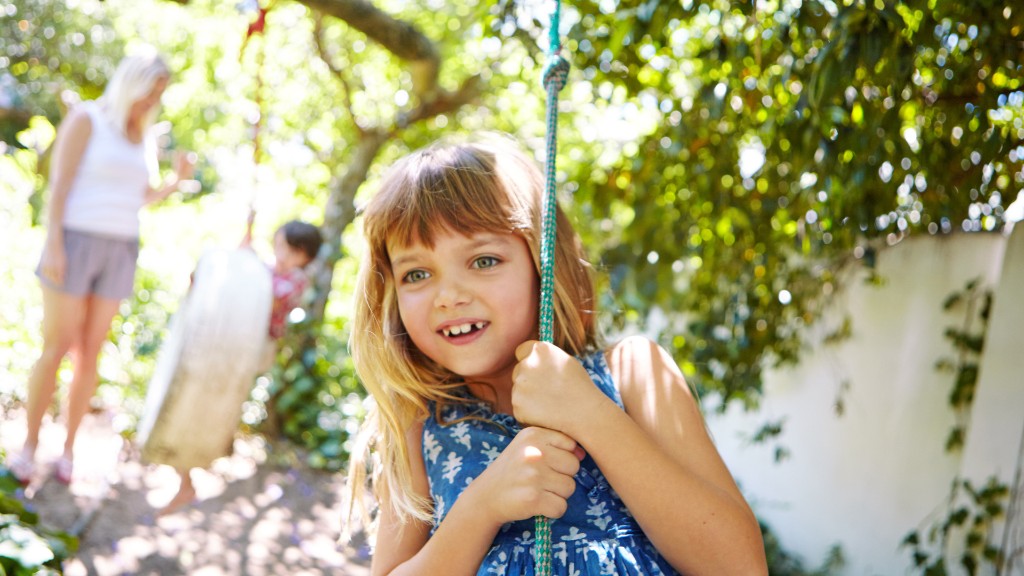
If there is one environment that naturally supports gross motor development better than any other, it is the outdoor playground. Climbing structures, slides, swings, and varied terrain provide the exact combination of physical challenge, vestibular input, and motor variety that builds gross motor skills.
For children with gross motor delays, playground play can feel scary or discouraging. Your role is to scaffold without removing challenge: stay close, offer a hand as needed, celebrate effort not just success, and help your child find the starting point that's just within their reach. A simple swing provides powerful vestibular input. A climbing dome challenges upper body strength and motor planning. A slide requires body control and spatial confidence.
How Kinspire Helps
Make everyday play count for your child's body
Kinspire's parent coaching approach is especially well-suited to gross motor development, because so much of that development happens through daily physical play. Our OT coaches help parents understand their child's specific gross motor profile, create home environments that support movement and physical challenge, find the balance between protecting safety and allowing productive risk-taking, and keep physical play fun and motivating even for children who have started to avoid it.
Home Environments That Move
Set up spaces and routines that invite physical challenge without turning every afternoon into a clinic.
Safe Risk, Real Growth
Find the balance between protecting safety and allowing the productive risk-taking motor learning requires.
Play That Still Motivates
Keep movement fun for kids who've started avoiding it — so practice actually happens.
Start for free. Grow from there.
Your Kinspire journey starts the moment you join — no waitlist, no referral needed.
- 1
Complete Our Initial Consultation
Not a questionnaire — a conversation. Dawn learns about your child's body, mind, and nervous system from the very first session.
- 2
Get Resources Built for Your Family
Receive step-by-step guidance, deep dives, and insights made specifically for your family's situation.
- 3
Access Live Sessions with Clinicians
Join live group sessions and get answers from Kinspire's OT and neuropsychology team — clinicians who can see the whole picture.
Questions Parents Are Actually Asking
My child is fearful of physical activity and won't try things. How do I get them to engage without forcing?+
Fear of movement in children with gross motor delays makes complete sense — if you've fallen and failed more than your peers, physical challenge feels threatening. The key is starting far enough below the threshold of fear: finding activities that are clearly achievable, building success and confidence there, and inching toward greater challenge very gradually. Follow your child's lead, celebrate attempts, and avoid pushing past genuine distress.
How much active play does my child need per day?+
The American Academy of Pediatrics recommends at least 60 minutes of active play daily for children 3 and older. For children with gross motor delays, the quality and variety of movement matter as much as total time. Short, frequent movement breaks throughout the day (10–15 minutes several times daily) may be more practical and effective than one longer session.
My child's daycare is very sedentary. How do I compensate at home?+
Outdoor play before homework or screen time after school or daycare is ideal. Weekends with physical outings — parks, playgrounds, nature walks with varied terrain — make a meaningful difference. You may also want to speak with the daycare about opportunities for more active play, especially if your child has documented motor delays.