
What Is Sensory Processing? A Parent's Guide to the Eight Senses

Lily Baiser
MS, OTR/L · Chief Clinical Officer, Kinspire · Licensed pediatric occupational therapist and Kinspire co-founder · Full bio →
· 7 min read
Your child covers their ears at the grocery store when the announcement system comes on. They refuse to wear anything with a tag or a waistband. They walk into a birthday party and immediately fall apart. Or they spin constantly, crash into furniture, and seem to need more physical input than their body can ever get enough of. You've heard the word "sensory" thrown around in pediatric offices and parenting groups, but what does it actually mean — and why does it explain so much about your child?
Sensory processing is the brain's job of taking in information from the world and the body and making sense of it. When that process runs differently, everything — getting dressed, going to school, eating dinner — can feel like too much.
What Sensory Processing Actually Is
Sensory processing is the neurological process by which the brain receives sensory information, organizes and interprets it, and generates an appropriate response — constantly, almost entirely below the level of conscious awareness. For children with sensory processing differences, this automatic process is disrupted. Their brains may receive sensory signals with different intensity, filter them differently, or have difficulty organizing them into coherent, proportionate responses — over-registering sensory information (finding ordinary sensations overwhelming), under-registering it (needing much more input to notice), or showing inconsistent patterns of both. This is not behavioral, not attention-seeking, not the result of inadequate parenting.
Beyond the Five Senses: The Eight Sensory Systems
The eight sensory systems
Occupational therapists work with eight sensory systems — not just the five you learned in school. Understanding each one helps explain behaviors that otherwise seem random or defiant.
Tactile (Touch)
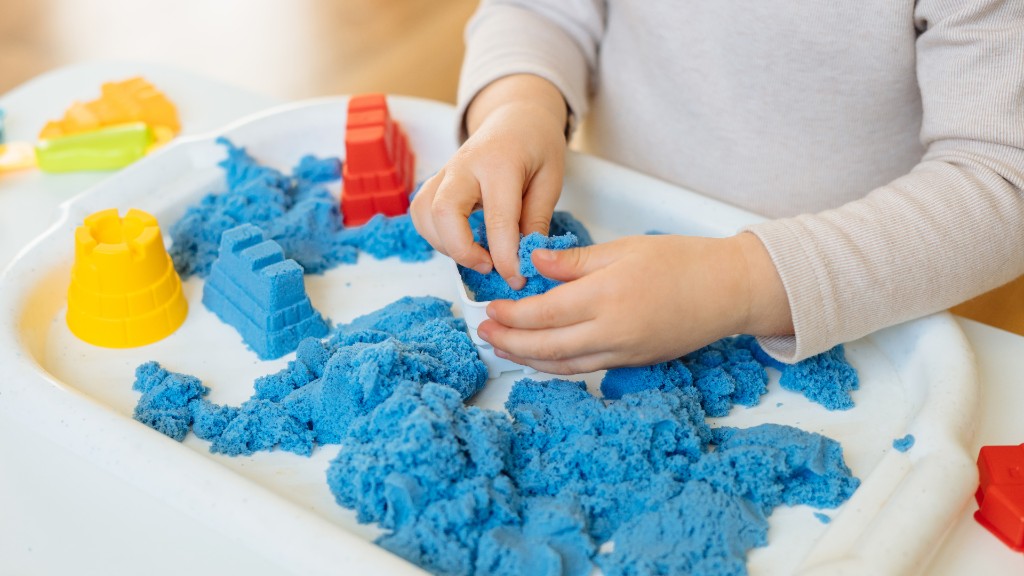
Pressure, temperature, pain, texture, vibration. Tactile sensitivity may mean intolerable clothing textures, resistance to touch or brushing, avoidance of messy play, or intense reactions to light or unexpected contact.
Auditory (Sound)
Busy classrooms and shopping malls may feel genuinely painful. These children may cover their ears, melt down in noisy environments, or seem not to hear instructions — not from ignoring, but because extracting signal from noise is impossible.
Visual (Sight)
Sensitivity to busy environments, fluorescent lighting, certain colors or patterns, or difficulty processing visual information quickly enough for classroom instruction.
Gustatory (Taste)
Extremely narrow food acceptance related to taste profiles, or conversely seeking out very strong, intense flavors.
Olfactory (Smell)
Strong connection to the limbic system; children may gag or become distressed at smells others barely notice, or smell everything as a way of gathering sensory information.
Proprioceptive (Body Position)
Located in muscles and joints; provides body position and force information. Deeply calming. Seekers crave jumping, crashing, squeezing, and chewing — they're feeding a sensory need, not being reckless.
Vestibular (Movement & Balance)
Processes movement, gravity, and balance. Sensitive children may fear swings or stairs; seekers may spin, rock, or swing constantly without getting dizzy.
Interoceptive (Internal Signals)
Hunger, thirst, heart rate, temperature, nausea, and physical sensations of emotion. Difficulty here makes emotional regulation harder — because noticing an emotion happens through the body first.
Proprioception: the body's calming system — Deep pressure and heavy work (pushing, pulling, carrying, climbing) activate the proprioceptive system in ways that are inherently regulating. This is the science behind weighted blankets, compression clothing, and physical activity breaks.
How Sensory Processing Differences Affect Daily Life
Behavior as sensory information
- →Falls apart at birthday parties Auditory, visual, and vestibular overload
- →Refuses certain clothes Tactile sensitivity
- →Never gets dizzy Low vestibular registration requiring more movement input
- →Can't sit still in class Proprioceptive seeking combined with underprovision of movement
- →Doesn't notice hunger until meltdown Interoceptive differences
- →Gags at the smell of sibling's dinner Olfactory sensitivity
These are not behavioral issues to be managed. They are sensory profiles to be understood and accommodated.
How Kinspire Helps
From sensory profile to daily strategies
An OT evaluation identifies your child's specific sensory profile across all eight systems. Kinspire's parent coaching translates that into practical daily strategies: how to modify the environment to reduce sensory overwhelm, how to provide needed sensory input in organized and sustainable ways, and how to build sensory regulation into the rhythms of your family's day.
Map the Profile
Understand your child's pattern across all eight sensory systems — not just the obvious ones.
Modify the Environment
Reduce overwhelm and build regulation into everyday routines.
Build the Rhythm
Embed sensory input into the flow of your family's day.
Start for free. Grow from there.
Your Kinspire journey starts the moment you join — no waitlist, no referral needed.
- 1
Complete Our Initial Consultation
Not a questionnaire — a conversation. Dawn learns about your child's body, mind, and nervous system from the very first session.
- 2
Get Resources Built for Your Family
Receive step-by-step guidance, deep dives, and insights made specifically for your family's situation.
- 3
Access Live Sessions with Clinicians
Join live group sessions and get answers from Kinspire's OT and neuropsychology team — clinicians who can see the whole picture.
Questions Parents Are Actually Asking
Does sensory processing disorder mean my child has autism?+
No. Sensory processing differences are common in autism but also occur in ADHD, anxiety, developmental differences, and as a standalone profile. The presence of sensory sensitivities doesn't indicate or rule out any particular diagnosis.
Will my child always be this sensitive?+
Sensory profiles can and do change, particularly with appropriate therapeutic support and consistent sensory diet implementation. Many children become significantly less reactive through OT, environmental modification, and natural maturation of the nervous system.
My child seems to want too much sensory input, not too little. Is that also a sensory issue?+
Absolutely. Sensory seeking is as much a sensory processing pattern as sensory avoiding. Understanding what specific type of input they're seeking allows you to provide it in organized, safe, and satisfying ways.